Artist
Giovanni Battista Tiepolo
作品(38)

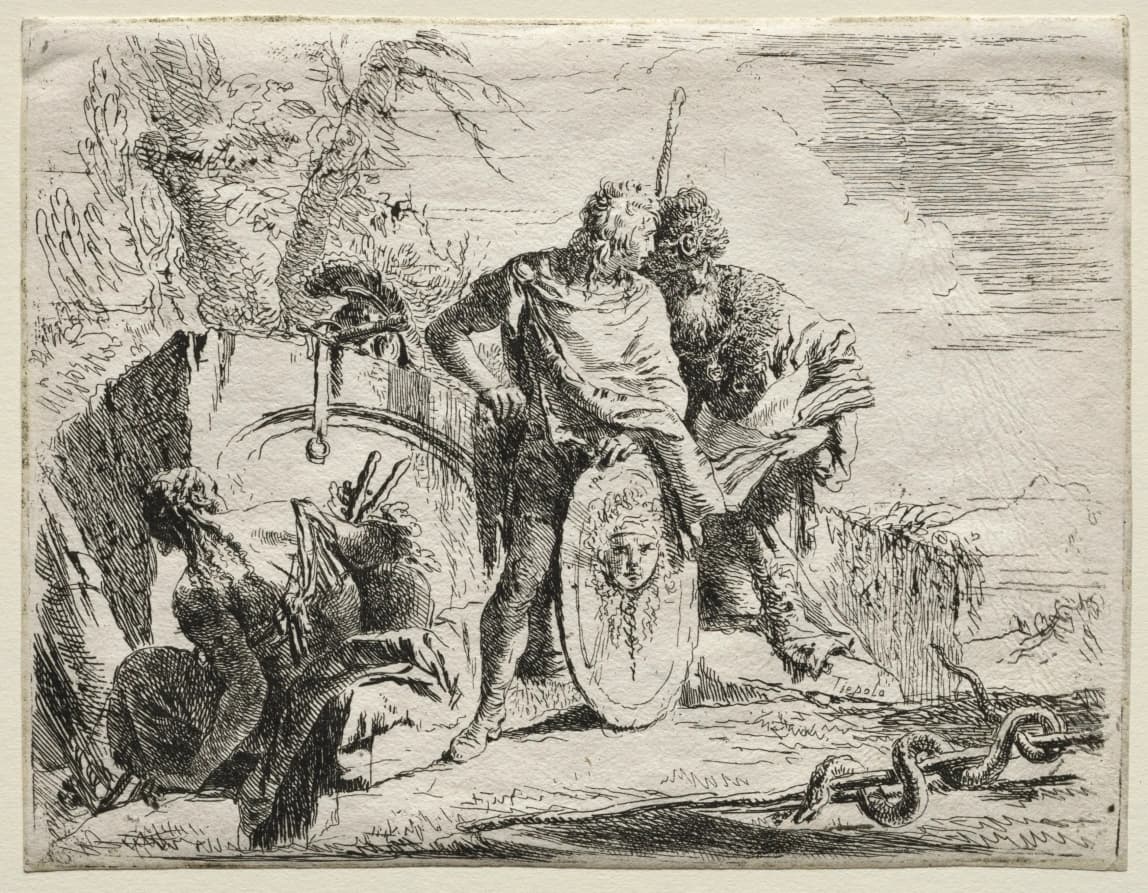
Various Caprices: The Astrologen and the Young Soldier
1735–50

Various Caprices: Young Man Seated, Leaning Against an Urn
1735–50

Adoration of the Magi
ca. 1740

Scherzi di Fantasia: The Happy Satyr and his Family
1750–60

Scherzi di Fantasia: seated Magician, boy and four figures
1750–60

Male(?) Figure Seen from Below
c. 1740s

Scherzi di Fantasia: Satyr Family with the Obelisk
1750–60

The Head of a Young Man Looking Upwards to the Right
before 1752

The Last Communion of St. Jerome
c. 1726

Flight into Egypt: The Embarkment of the Holy Family
c. 1735

Scherzi di Fantasia: Magician Pointing Out a Burning Head to Two Youths
1750–60

The Adoration of the Magi
c. 1740

Sketch for a Ceiling
1750s

Study for "The Martyrdom of Saint Sebastian" (for the Augustinian monastery at Diessen, Germany)
1739

ヴィーナスによって天上に導かれるヴェットール・ピサーニ提督
1743

オベリスクとサテュロスの一家
1696

燃える頭を指し示す魔術師
1696

東方の農夫の家族
1775

連作『スケルツィ』:ふたりの魔術師とふたりの少年

The Banquet of Cleopatra
1743

The Immaculate Conception
1767

The Chariot of Aurora
1760s

The Apotheosis of the Spanish Monarchy
1760s

The Investiture of Bishop Harold as Duke of Franconia
ca. 1751–52

The Adoration of the Magi
late 1750s

Allegorical Figure Representing Temperance
1760

Allegorical Figure Representing Arithmetic
1760

The Glorification of the Barbaro Family
ca. 1750

The Capture of Carthage
1725–29

Neptune and the Winds
1760s

Allegorical Figure Representing Geometry
1760

Allegorical Figure Representing Prudence
1760

Allegorical Figure Representing Fortitude
1760

A Female Allegorical Figure
1740–50

The Triumph of Marius
1729

Allegory of the Planets and Continents
1752

A Female Allegorical Figure
ca. 1740–50

The Apotheosis of the Spanish Monarchy
1760s
年表
1696年3月5日にヴェネツィアで誕生。6人兄弟の末っ子として生まれ、父親は船乗りという家庭環境であった。1
ジョヴァンニ・バッティスタ・ティエポロの父は1697年頃に亡くなり、母親が幼い子供たちを育てることになりました。2
ジョヴァンニ・バッティスタ・ティエポロは、1710年にグレゴリオ・ラッツァリーニの工房に入門しました。2
ジョヴァンニ・バッティスタ・ティエポロは、1717年に画家ギルド(フラリア)に加入しました。2
ジョヴァンニ・バッティスタ・ティエポロは、ヴュルツブルクの司教領主カール・フィリップ・フォン・グライフェンクラウの要請で、ヴュルツブルク・レジデンツの天井画を制作しました。2
ジョヴァンニ・バッティスタ・ティエポロは、1762年に息子たちと共にスペインに移住しました。3
1770年にマドリードで没した。没後は新古典主義の台頭により、それまでの甘美な装飾性が否定され、彼の評価は急速に下降することとなった。1