Artist
Thomas Sully
Works (8)

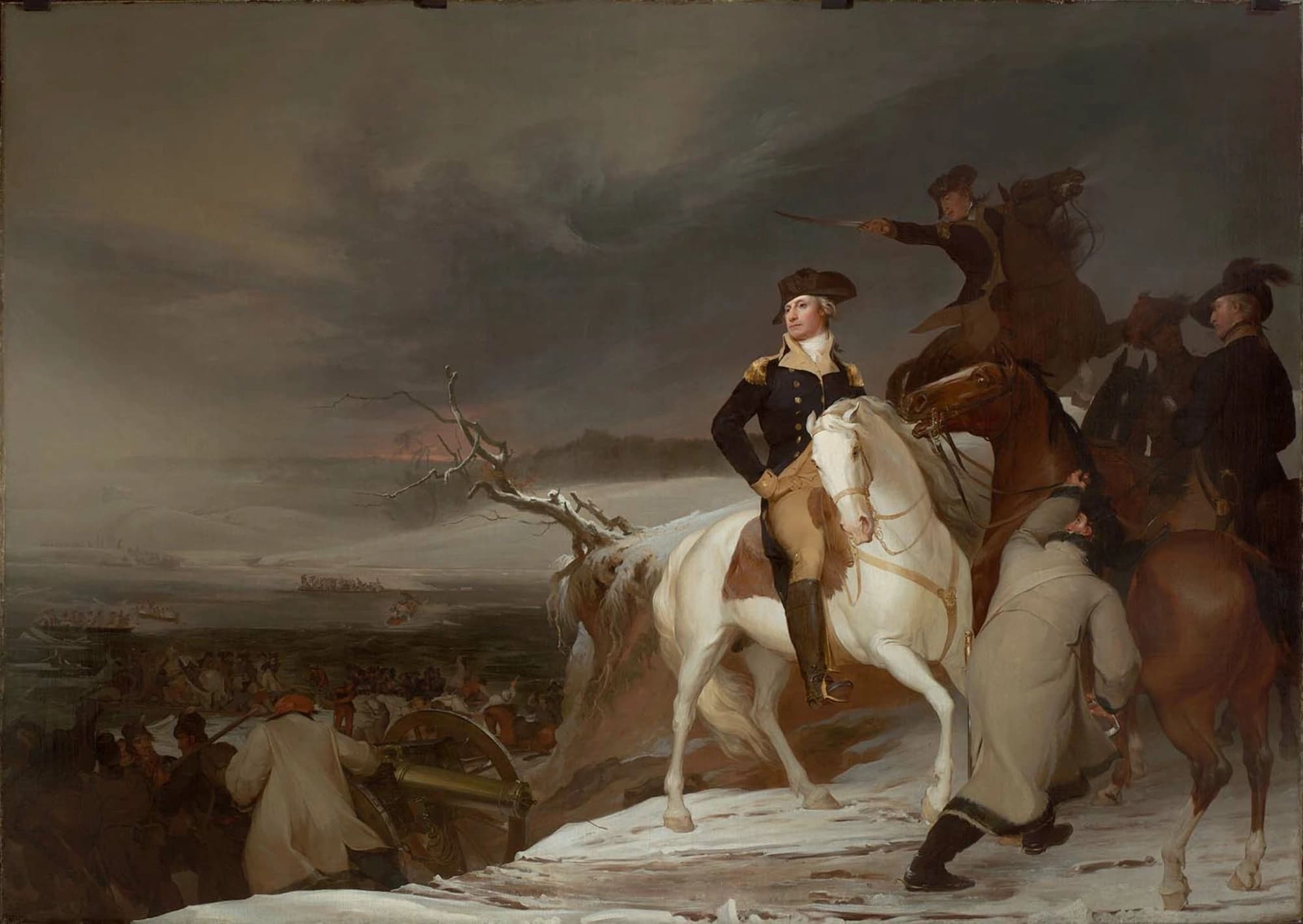
The Passage of the Delaware
1819

Two Architectural Sketches; Three Men Seated at Table; Child Holding Pet in Landscape; Figure Appearing Behind Corner; Scene from Julius Ceasar (from Sketchbook)
1810–20

(From Sketchbook)
1810–20

(From Sketchbook)
1810–20

(From Sketchbook)
1810–20
![Holy Family et al. [?]; Turning Female Figure, Half Length; Woman Seated at Window (from Sketchbook)](/_next/image?url=https%3A%2F%2Fvgpftcfllewdhxjbytjw.supabase.co%2Fstorage%2Fv1%2Fobject%2Fpublic%2Fartworks-images%2Fmet%2F16504%2Fthumbnail.webp&w=3840&q=75)
Holy Family et al. [?]; Turning Female Figure, Half Length; Woman Seated at Window (from Sketchbook)
1810–20

(From Sketchbook)
1810–20

Woman with Two Children and Dog; Standing Figure (from Sketchbook)
1810–20
Timeline
Born in England in 1783, he emigrated to the U.S. at age nine. Born to actors, he briefly performed on stage before pursuing painting, eventually becoming a leading portraitist based in Philadelphia.1
In 1805, he married his late brother Lawrence's widow, Sarah, and raised his brother's children as his own. His devoted character is reflected in the warmth of his portrait style.1
In 1807, he studied portrait painting under the master Gilbert Stuart in Boston for three weeks. This brief apprenticeship laid the foundation for his career as a portrait artist.1
He traveled to London in 1809 to study under Benjamin West. West encouraged him to study portraiture, and the skills and connections he gained there further refined his artistic sensibility.1
Though famous for portraits, he painted the grand historical piece 'The Passage of the Delaware' in 1819. This work demonstrates his high technical skill in genres beyond portraiture.1
His art extended beyond the canvas to American currency. The 'Seated Liberty' coinage design, which began in 1836, was based on Sully's work.1
In 1837, he was sent to London to paint Queen Victoria. An anecdote remains that his daughter Blanche acted as a stand-in, modeling the Queen's costume when the monarch was unavailable.1
His book 'Hints to Young Painters' was published posthumously. His techniques and artistic views based on years of experience were passed down to the next generation, contributing to American art education.1