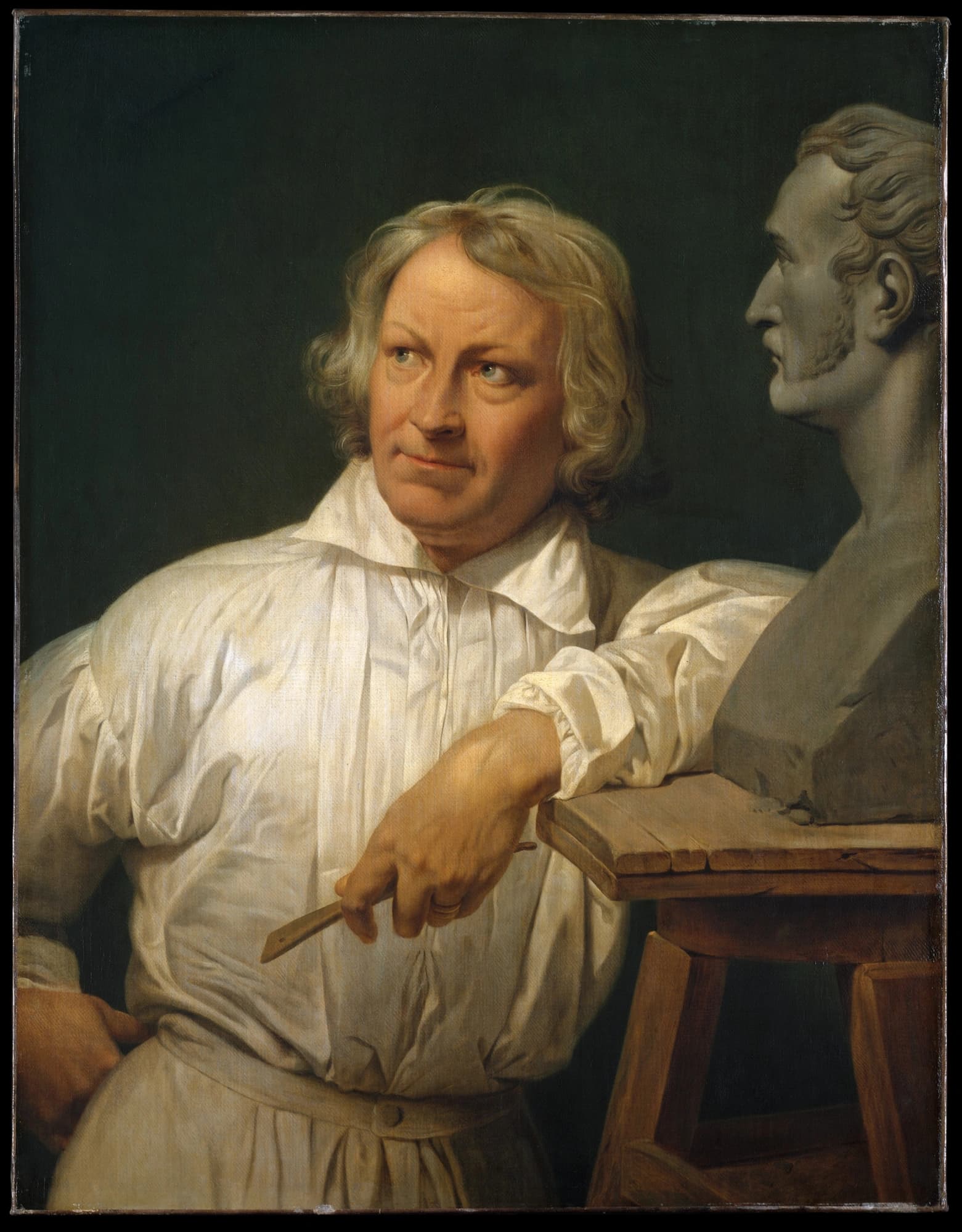
Artist
Horace Vernet
Works (4)


Timeline
Born in the Louvre during the French Revolution, he came from a family of painters, including his father Carle and grandfather Claude-Joseph.1
He disdained the seriousness of academic Classicism, preferring to paint contemporary soldiers and life in a more direct, realistic style.1
He gained recognition through commissions from the Duke of Orleans (later King Louis Philippe I) for historically accurate battle paintings.1
He served as the director of the French Academy in Rome from 1829 to 1835, enjoying favor with both the court and the opposition.1
Commissioned by Louis-Philippe, he decorated the entire Constantine room at Versailles in just three years, depicting the fruits of colonization.1
A pioneer in using photography, he took daguerreotypes in Egypt and Malta as reference material for his realistic paintings.1
He painted French battles in Algeria, reflecting the 'civilizing mission' ideology through depictions of infrastructure and military training.1
After the fall of the July Monarchy in 1848, he found a new patron in Napoleon III and continued painting heroic military scenes.1
Under Napoleon III, he accompanied the French Army during the Crimean War, producing works like the Battle of the Alma.1
In the Sherlock Holmes stories, the detective claims to be Vernet's great-nephew, as his grandmother was the artist's sister.1