
Artist
Filippino Lippi
Works (3)


Timeline
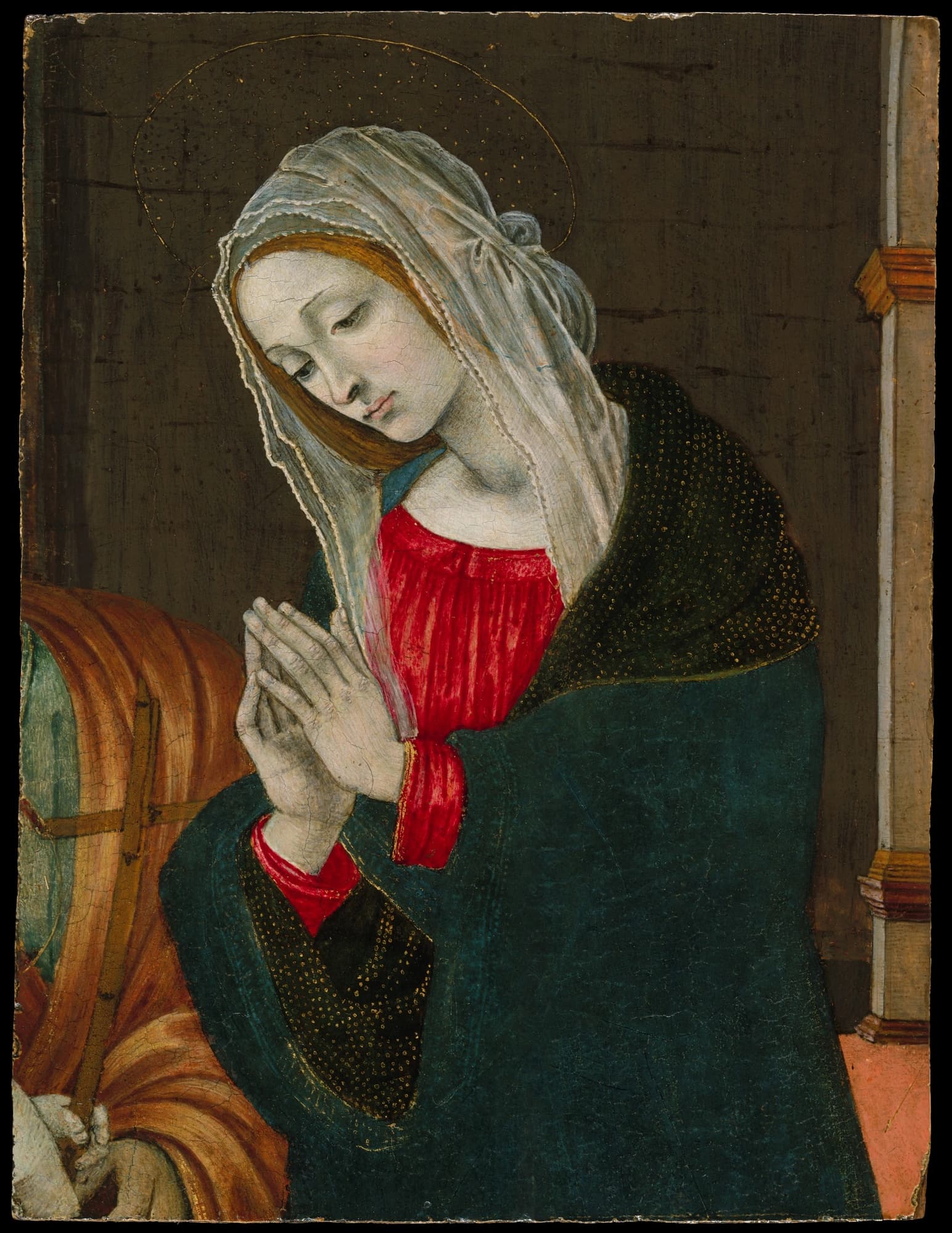
Filippino Lippi was the illegitimate son of the painter Fra Filippo Lippi and a nun. After his father's death, he apprenticed under Botticelli, his father's former pupil, and lived in his master's house.1
His early works so closely resembled Botticelli's that they were once attributed to an anonymous artist called 'Amico di Sandro' (Friend of Sandro), sharing a similar delicate and subtle style.1
Around 1483, he was called to complete Masaccio's unfinished frescoes in the Brancacci Chapel. He successfully finished the project, including a self-portrait of himself at age 25 in the central panel.1
In the 'Apparition of the Virgin to St. Bernard,' he depicted elongated figures and phantasmagorical rocks. This mysterious and disquieting scenario became a hallmark of his original style.1
In 1488, he went to Rome to decorate the Carafa Chapel. There, he was deeply influenced by the 'Grottesco' style of ancient ruins, which led him to incorporate fine classical details into his later works.1
The frescoes in the Strozzi Chapel were painted during a period of religious crisis in Florence led by Savonarola. The theme of Christianity versus Paganism reflects the intense social and religious debates of the time.1
When he died in 1504 at age 47, all the workshops in Florence closed in his honor. This rare tribute demonstrates the immense fame and reputation he held among his contemporaries.1