Artist
Domenico Fetti
Works (3)


Timeline
Starting his career in Rome, Fetti apprenticed under Ludovico Cigoli or Andrea Commodi. During this early training, he acquired the Tuscan and Roman techniques that formed the basis of his later dramatic expression.1
From 1613 to 1622, Fetti served as the court painter for Duke Ferdinando I Gonzaga of Mantua. Under the protection of this powerful patron, his artistic talent flourished significantly.1
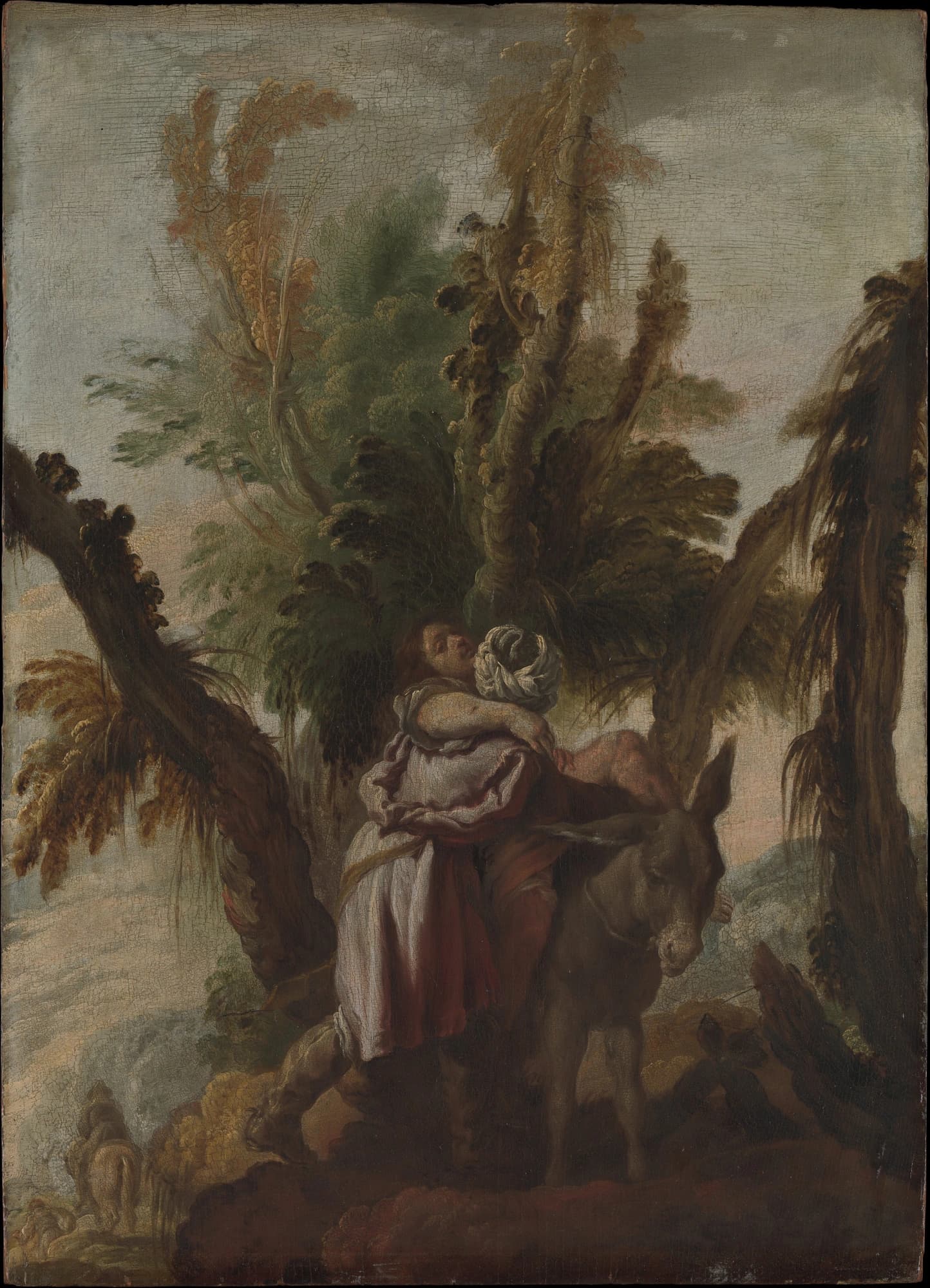
Fetti is known for his series of New Testament parables. These works, painted for the Duke's studiolo, became his specialty and were so popular that his studio produced numerous repetitions.1
In his later years in Venice, he focused on small 'cabinet paintings' that depicted religious stories with a genre-like intimacy. His colors became more vivid, and his brushwork more free.1
In 1622, due to feuds with prominent Mantuans, Fetti moved to Venice. He refused the Duke's pleas to return and remained there until his death, further evolving his artistic style.1
While Mannerism prevailed in Venice at the time, Fetti, along with Strozzi and others, introduced the Roman Baroque style. This transformation breathed new life into the stagnant Venetian art scene.1
Fetti's innovative style significantly influenced later painters such as Leonaert Bramer and Pietro della Vecchia. His sense of color and realism were carried on by Venetian artists after his death.1