Artist
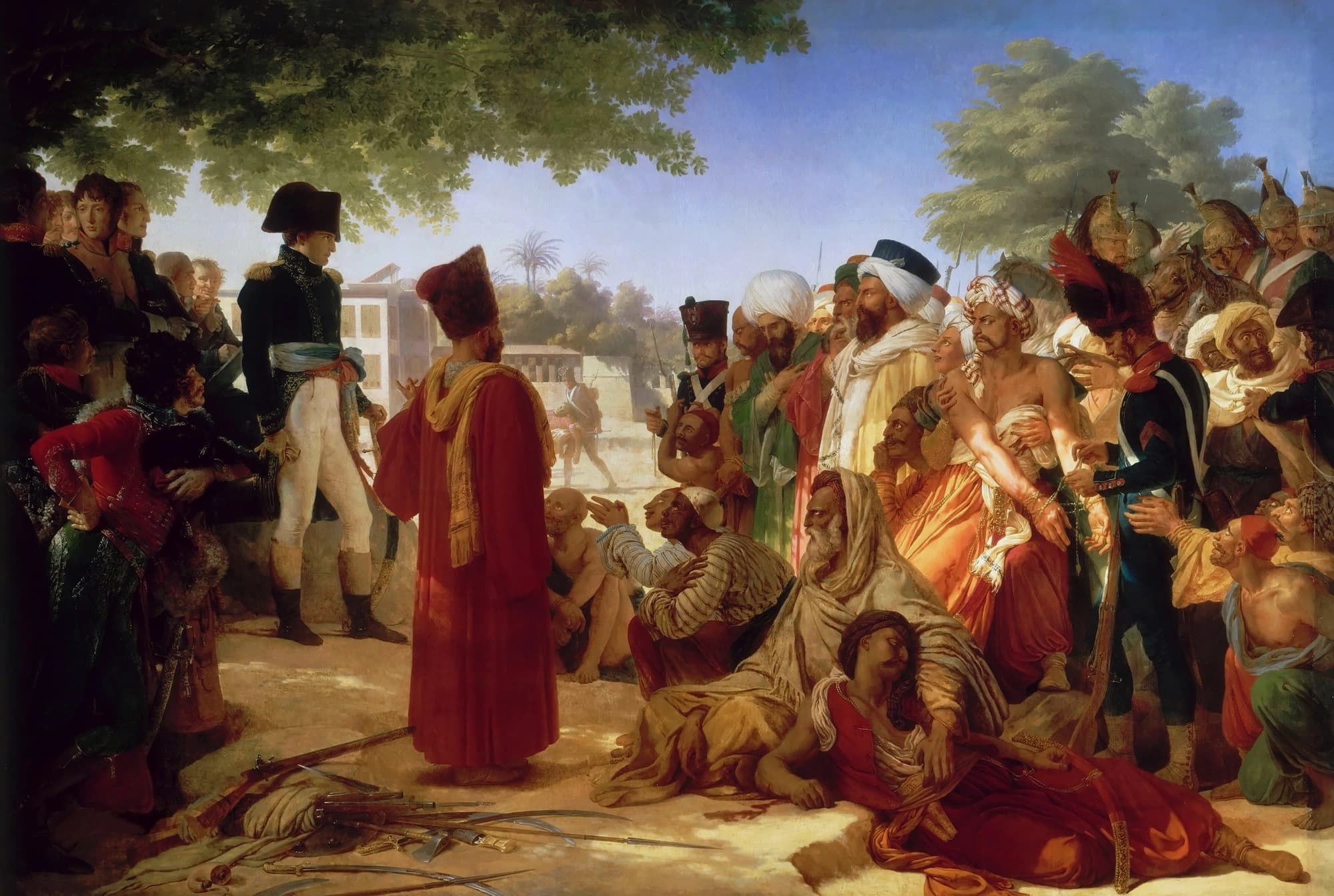
Pierre-Narcisse Guérin

Timeline
A pupil of Jean-Baptiste Regnault, Guérin won the Grand Prix in 1796, establishing his early career on a solid foundation of classical training.1
In 1799, 'The Return of Marcus Sextus' excited wild enthusiasm at the Salon, as its theme of a returning exile was seen as an allusion to the turmoil of the French Revolution.1
During the First Empire, Guérin established a highly melodramatic and pompously dignified style with works like 'Phaedra and Hippolytus', suiting the popular taste of the era.1
During the Restoration, Guérin's style shifted to a more sensuous and picturesque approach, as seen in 'Aeneas Relating to Dido the Disasters of Troy'.1
Guérin's 'Descent from the Cross' was a gift from King Louis XVIII in 1821 to the Basilica in Baltimore, reflecting his international prestige.1
In 1822, Guérin accepted the post of director of the French Academy in Rome, a position he had previously refused in 1816.1
Guérin received the Legion of Honour in 1803 and was ennobled as a baron in 1828, reaching the pinnacle of honors in the French art world.1
Guérin died in Rome in 1833 and was buried in the church of La Trinité de Monti, next to the great master Claude Lorrain.1