Artist
Monkan-bō Kōshin

Timeline
Kōshin is a Japanese folk belief with Taoist origins, influenced by Shinto and Buddhism. Starting among 9th-century nobles, it became immensely popular among commoners during the Edo period.1
In 838, the monk Ennin noted that people in Tang China stayed awake all night, just like on Kōshin nights in Japan. This is one of the earliest records confirming the belief's establishment in Japan.1
During the Muromachi period, Buddhist monks began writing about Kōshin, spreading the belief to the general public and transforming it from an aristocratic custom into a widespread folk tradition.1
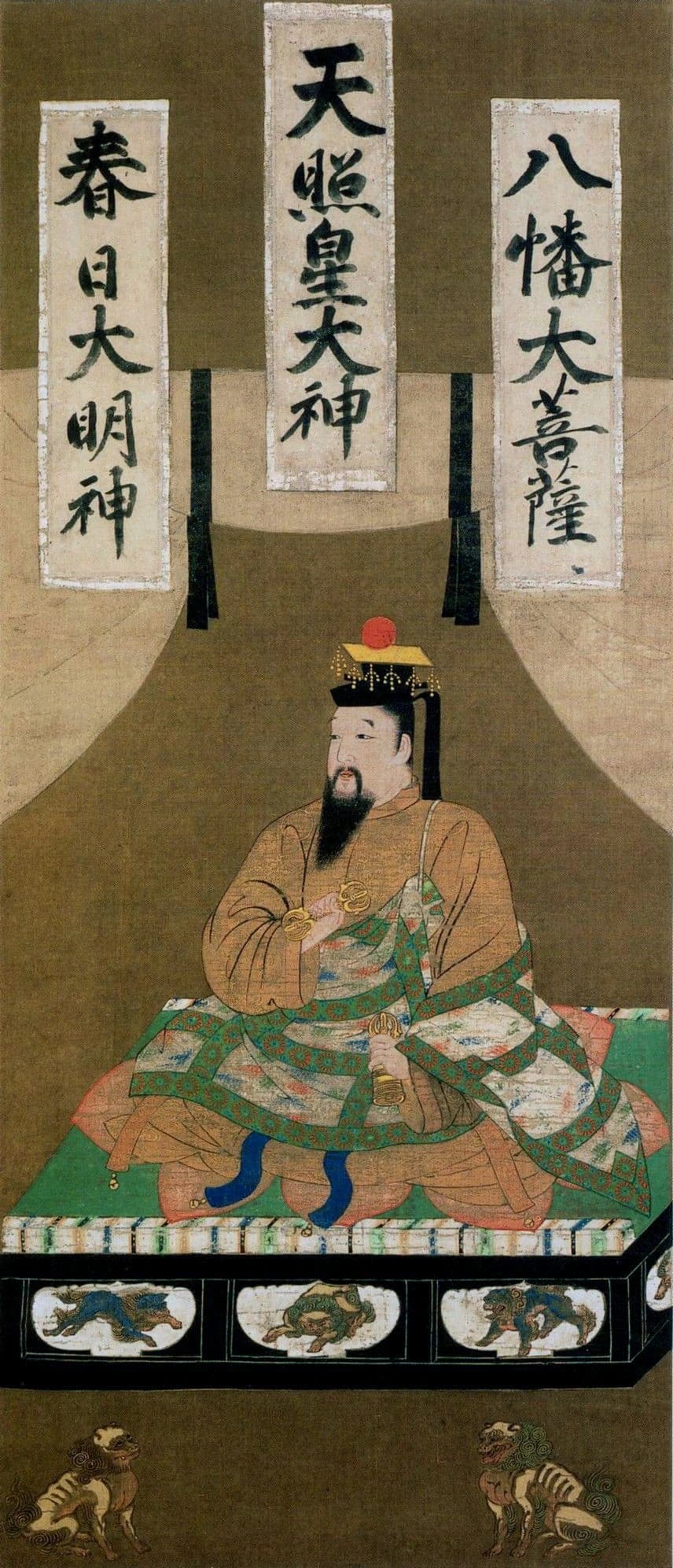
During the Edo period, many hanging scrolls, icons, and stone carvings were produced for Kōshin festivities. These artifacts reflect the artistic sensibilities of commoners and form a key part of Japanese religious art.1
In 1872, the Meiji government issued the Shinto and Buddhism Separation Order, officially rejecting Kōshin as a superstition. This led to the removal or relocation of many Kōshin monuments and halls.1