Artist
Jean Fouquet
Timeline
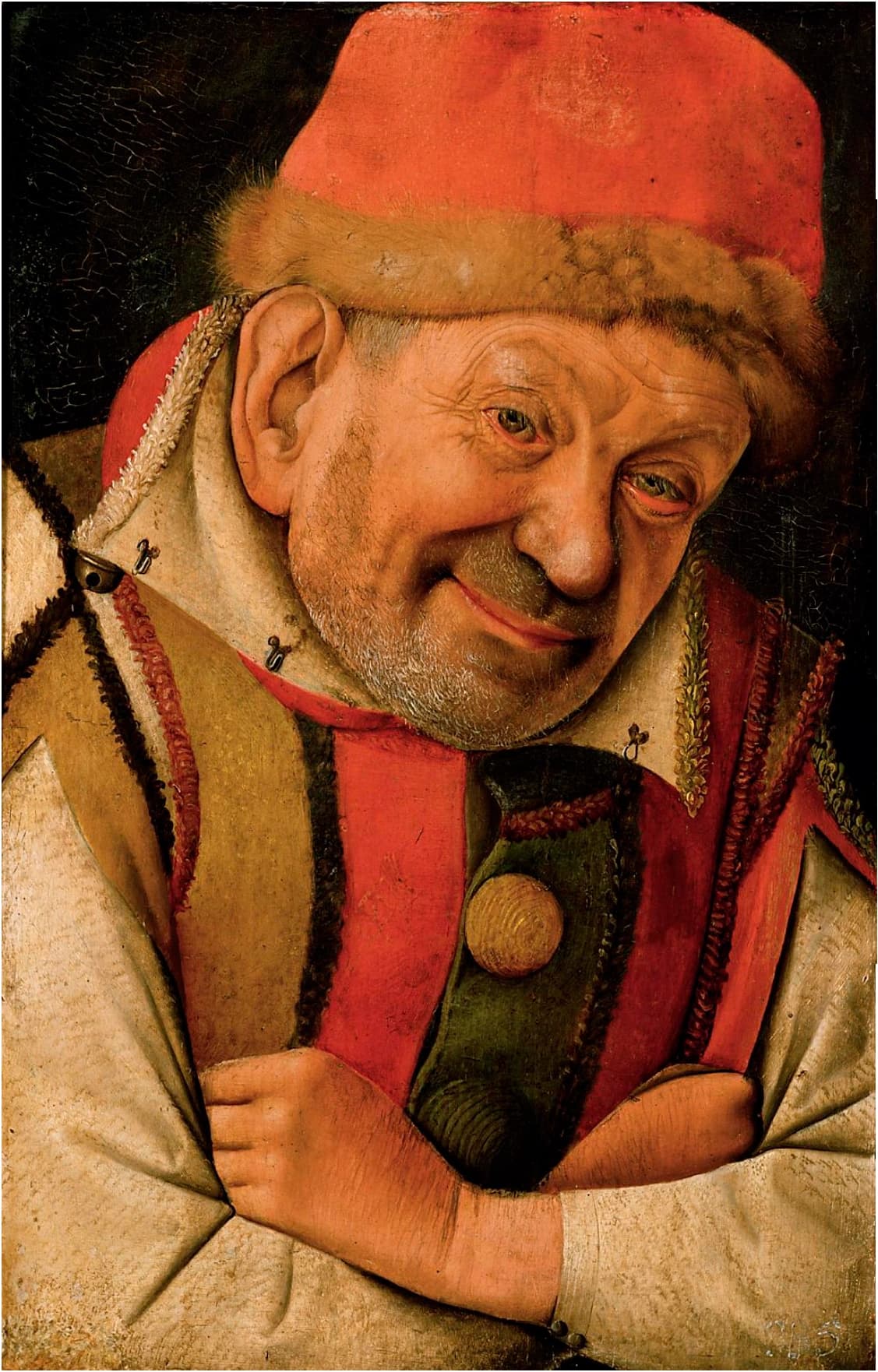
Jean Fouquet was one of the most important painters of the period between late Gothic and early Renaissance. He is considered the inventor of the portrait miniature and played a decisive role in French art history.1
Fouquet was the first French artist to travel to Italy and experience the early Renaissance first-hand. In the 1440s, he encountered the styles of artists like Fra Angelico in Rome, which greatly influenced his own style.1
Before 1447, during his stay in Italy, he executed a portrait of Pope Eugene IV. Although the work is lost, it is an important episode showing that Fouquet was already highly regarded internationally.1

Fouquet worked for the court of King Charles VII. To solidify French national identity after the Hundred Years' War, he produced works with political intent, such as depicting the King as one of the Three Magi.1
The Virgin in his masterpiece, the Melun Diptych, is traditionally identified as a portrait of Agnès Sorel, the mistress of Charles VII. Her pale, detached beauty stands out among religious paintings of the time.1
Known as a master of manuscript illumination, his work on the Hours of Étienne Chevalier secured his eminent position in French art through precise detail, vivid color, and clear characterization.1
Near the end of his career, he was appointed court painter to Louis XI. The fact that he was favored by successive kings starting from Charles VII demonstrates his preeminence in France at the time.1